Fabianominu, “Raízes”
Forty years after the emergence of hip-hop culture in Brazil, Fabianominu revives a memory that has never truly faded. With “Raízes,” the São Paulo-based artist delves back into the effervescence of the 1980s, when graffiti, dance, music, and fashion came together to form a single language of emancipation. Featuring canvases and hand-painted jackets, this exhibition revives the energy of an era when identity was asserted as much on walls as on the streets. At the heart of his work are the “Smugs,” urban characters who embody the spirit of that pioneering generation. Their gazes, postures, and clothing tell the story of a culture where every detail becomes a sign of belonging. The brightly colored letters interact with the silhouettes just as they once interacted with trains and building facades, reflecting an aesthetic born on the streets and designed to be seen.


The Jacket as a Memory and Symbol of Belonging
Jackets hold a unique place in this exhibition. Much more than mere objects, they become living archives of a culture in motion. Hand-graffitied, they embody the aesthetic and social codes of early hip-hop. For Fabianominu, they serve as a true identity card, capable of telling a story, representing a community, and embodying a way of living in the city. This approach draws directly from the artist’s own journey. Deeply influenced by his discovery of the film *Beat Street* in 1984, Fabianominu belongs to the first generation of b-boys from Guarulhos and later from São Bento Station, the cradle of São Paulo hip-hop. As a member of the legendary group Fantastic Force, he grew up surrounded by the pioneers who shaped the aesthetic of jacket graffiti—a legacy he carries forward today without ever letting it become static. Yet the exhibition does more than simply celebrate the past. It shows just how much these roots continue to nourish the present. By returning to jacket painting in 2015 and participating in the revival of the São Bento gatherings, Fabianominu anchors this memory in a continuum where transmission and creation move forward in tandem. With “Raízes,” nostalgia becomes an act of preservation. Each work reminds us that the origins of hip-hop lie not only in an aesthetic, but in a way of asserting one’s identity and occupying public space. Fabianominu thus breathes new life into a collective history whose colors continue to span generations.

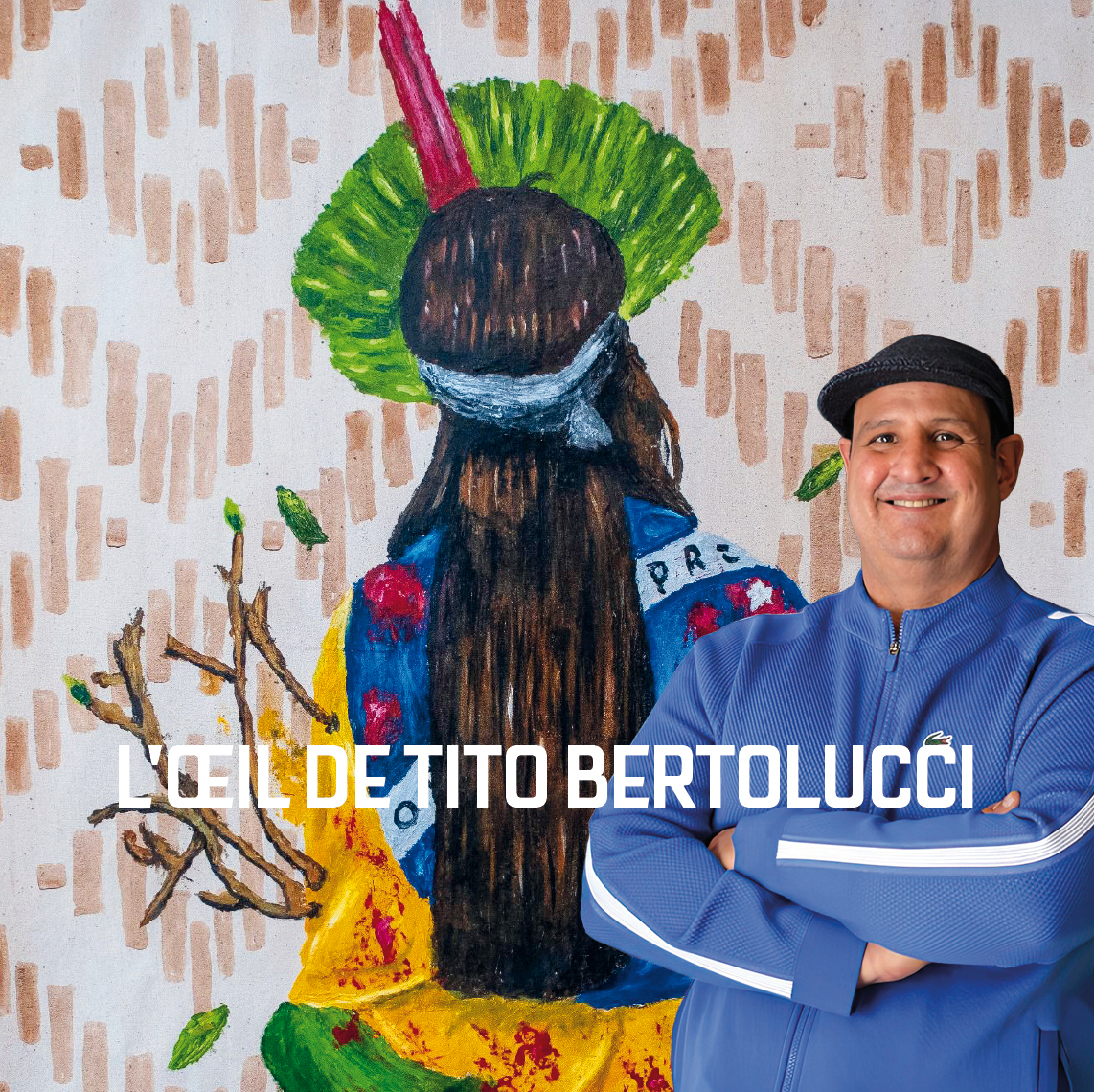
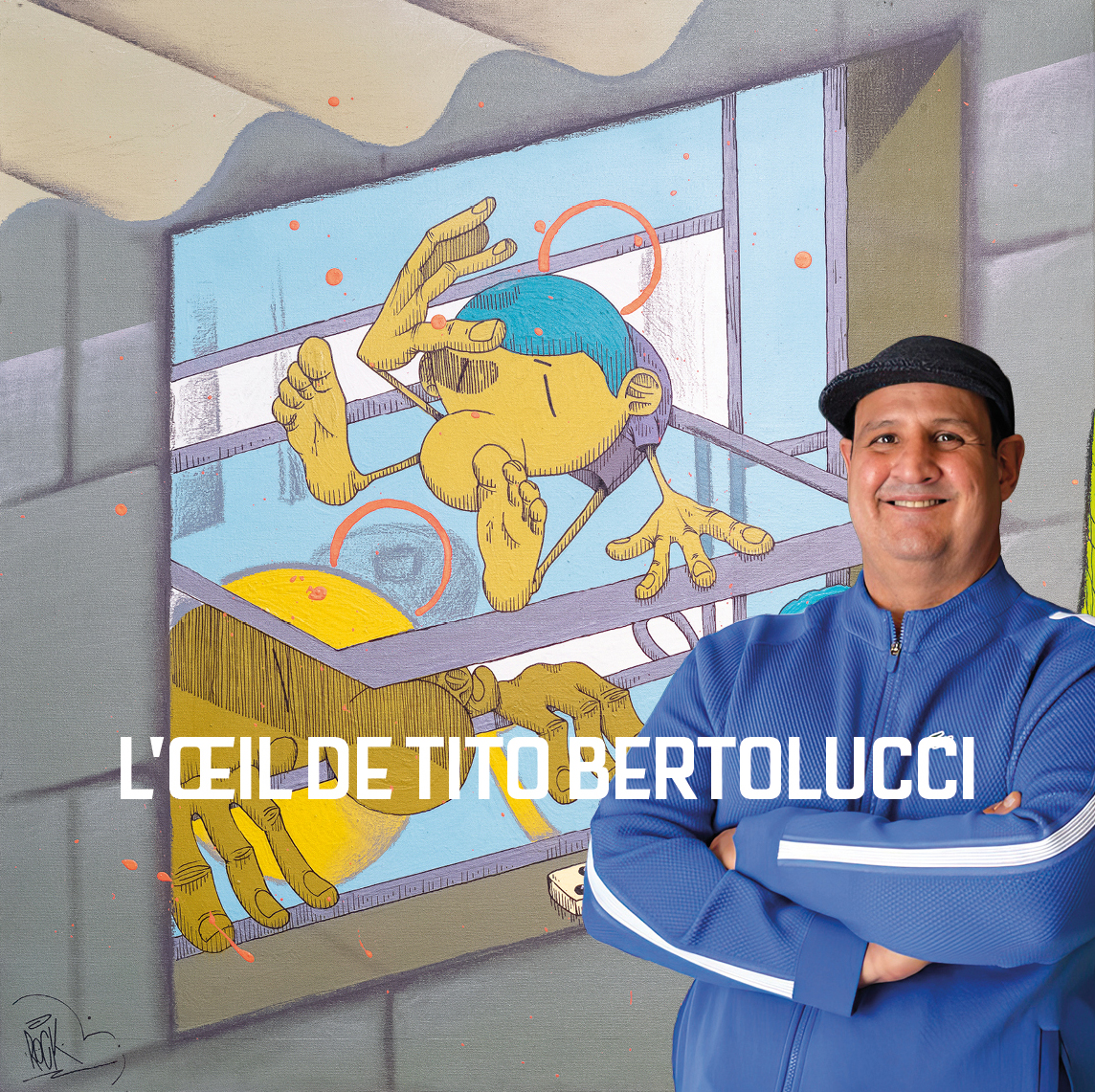
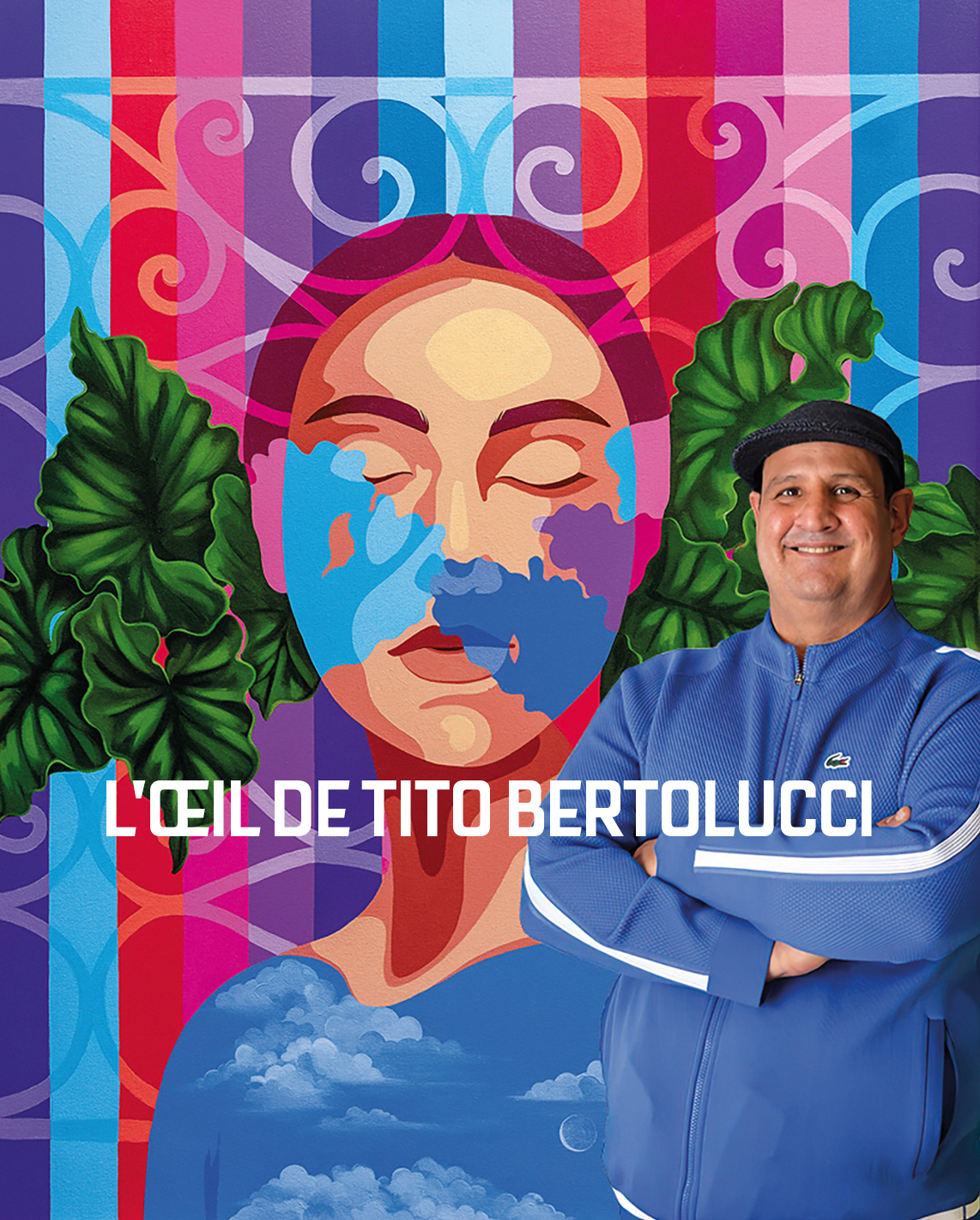
Tito Bertolucci has established himself as a leading figure in urban art in Latin America. A true talent scout and curator with a keen eye, he founded the legendary Alma da Rua gallery in São Paulo. A passionate collector, Tito Bertolucci now owns the continent’s largest collection of urban art: nearly 2,000 works, housed in his museum—the very first in Latin America entirely dedicated to this art form.
At the heart of Fabianominu’s work are the “Smugs,” urban characters who embody the spirit of a pioneering generation.
Through his work, Fabianominu is reviving the roots of São Paulo hip-hop.
By reviving the art of jacket painting, Fabianominu carries on a tradition without ever letting it become stagnant.
Fabianominu brings to life a collective story that spans generations.